

Machine Layout and Working Range
Start by evaluating the footprint of the equipment, moving parts, and the space required for operation around the machine.
A practical guide to selecting an industrial safety fence system based on machine layout, access needs, safety zones, and future production changes.
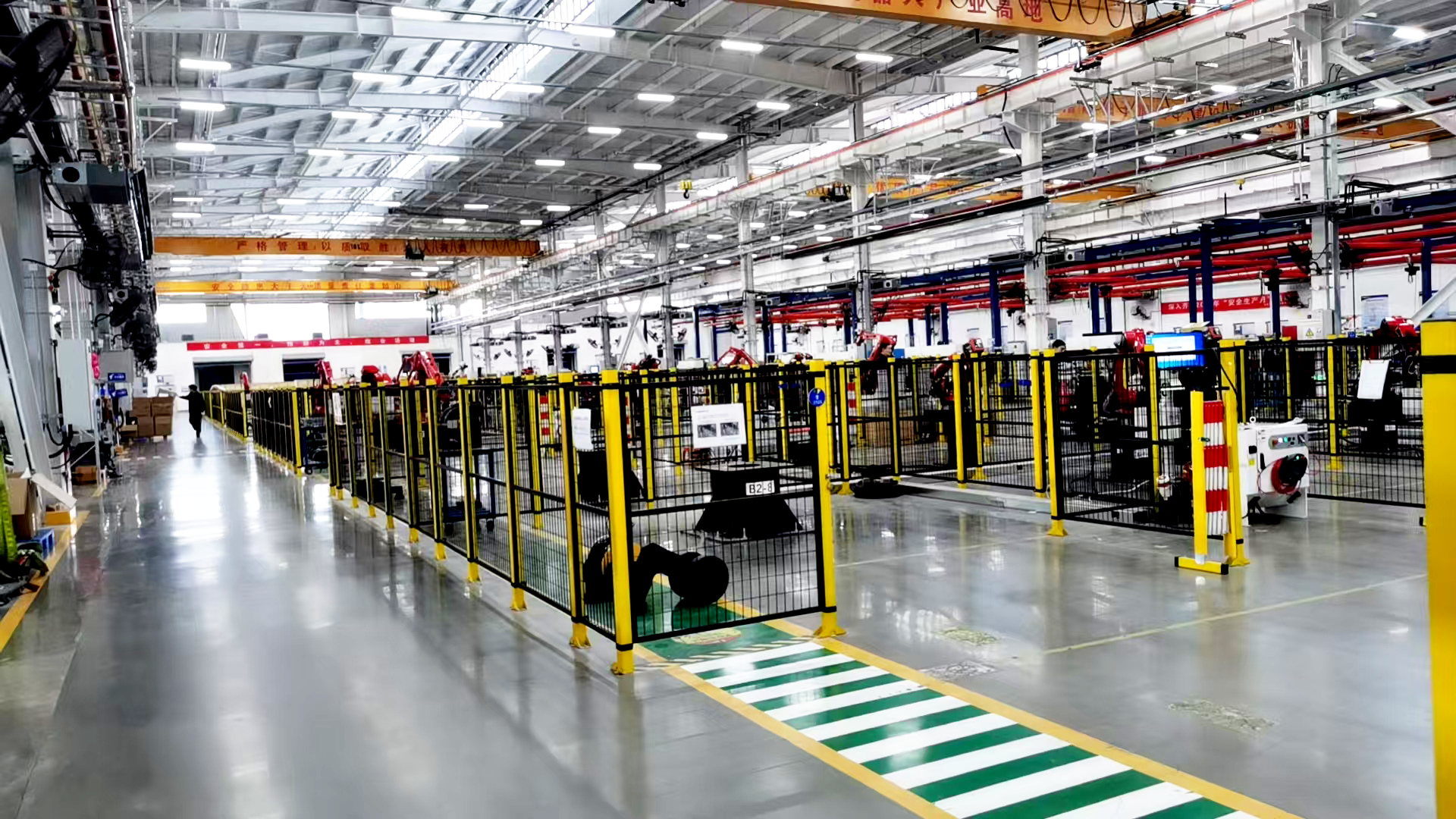
Choosing the right industrial safety fence system is important for machine guarding, access control, and production area organization. A well-planned system can help match equipment layout, define restricted zones, and support more efficient facility planning.
The best safety fence system is not only about enclosing machinery. It should also fit workflow, maintenance access, material movement, and possible future line adjustments.
The right solution should fit both the physical equipment area and the daily production workflow.
Start by evaluating the footprint of the equipment, moving parts, and the space required for operation around the machine.
Consider where operators, technicians, and maintenance staff need to enter. Door position can affect both convenience and area control.
Panel height, width, and layout should match the equipment zone and surrounding workspace while maintaining visibility where needed.
A fence system should fit into the normal movement of materials and personnel without creating unnecessary barriers in daily operations.
Many factories update production lines over time, so modular systems are often useful when layout changes are expected.
In some projects, fencing may need to work with industrial aluminum profiles and accessories for support frames or custom layouts.
If you are planning a broader production layout project, related modular systems may also be useful depending on your workflow and facility structure.
Explore modular fencing solutions for machine guarding, production area separation, and factory layout planning, or contact us for product details and quotation support.
 Step 01
 Step 02
 Step 03
 Step 04
